Before the summer holidays, consider: what can AI poetry tell us about how we might construct assignments in the future? Here, Dr Burman explores how to augment what remains that’s human in the AI Age.

Before the summer holidays, consider: what can AI poetry tell us about how we might construct assignments in the future? Here, Dr Burman explores how to augment what remains that’s human in the AI Age.
Every day we seem to be getting more and more used to encountering content on social media related to the use of artificial intelligence (AI). This includes many tools that help to optimize our work, advertisements, and also a lot of content created simply for fun. Exaggerated images or unrealistic videos are nowadays often used […]
Reminiscing about his favourite music store in the late 1980s, Eric Rietzschel argues that we need to rethink the way we see creativity. It’s more about tinkering than about invention.

“Queenager” is a more positive term for middle-aged women who are in perimenopause. The majority of these women is dealing with brain symptoms, such as brain fog, mental fatigue, mood swings, and sleep disturbances. This blog post explores the mental vulnerabilities of queenagers and shares lifestyle strategies based on the work by neuroscientist and nutritioner Lisa Mosconi. What if we viewed perimenopause not as a time of decline, but as an opportunity to consciously invest in women’s brain health?

THE FLATTENING OF THE WORLD Modern people are surrounded by scientific and technological miracles and yet scarcely notice them. We carry devices that would have seemed magical to our ancestors, cross continents in hours, and summon vast libraries from our pockets. Yet for all this power, many of us move through a world that feels […]
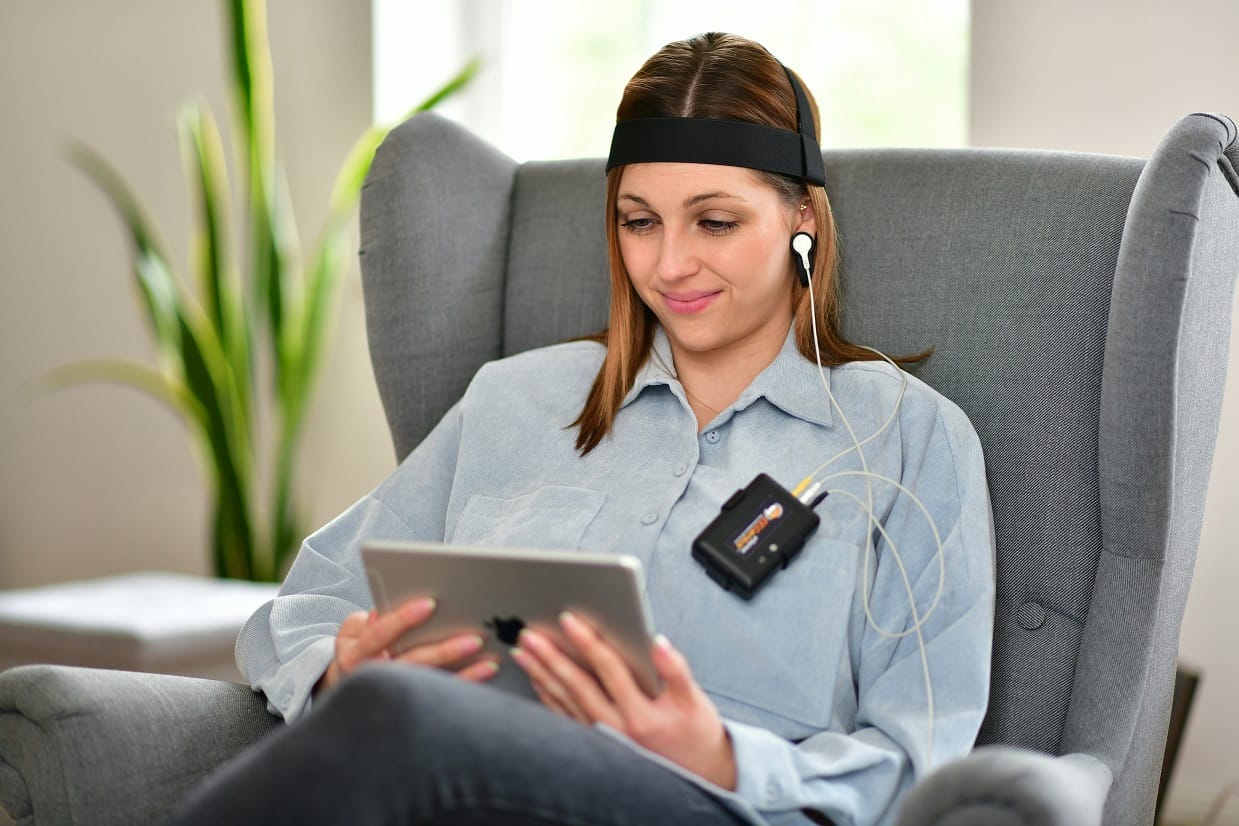
When EEG data from famous top athletes were leaked from a “wellness” headband, it revealed how easily our brain signals can slip into systems of extraction and surveillance. While neurotechnology in academica is tightly regulated, consumer neurotech often escapes scrutiny. In this blog post neuroscientist Dr. Enriquez-Geppert argues that neuroliteratacy is essential in protecting our “cognitive liberty” and she actually practices what she preaches by informing the Mindwise readership on the latest developments in her field.

Education increases people’s chances on the labor market and their position in society. But what if it also contributes to inequality, as well as to wider acceptance of inequality? In this blog, Leandros Kavadias describes his recently completed PhD research on the schooled society and its effects.
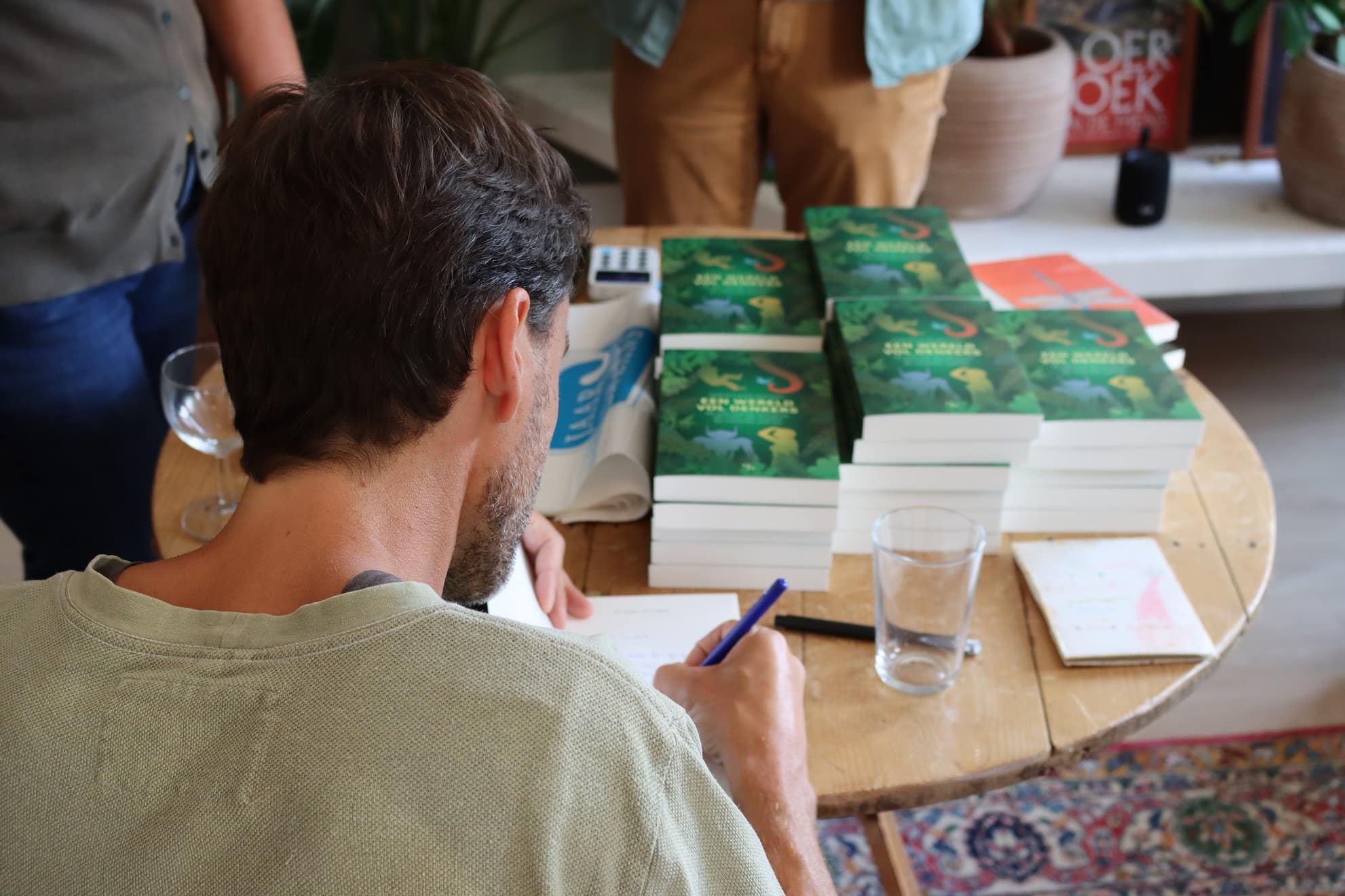
Marie-Christine van de Glind interviewed Sebastiaan Mathôt about his recent book, the writing process, and how all of the thinkers who feature in his book are (dis)similar from one another.
The mental health of children and adolescents has increasingly garnered attention in popular culture. Titles such as Johnathan Haidt’s book The Anxious Generation (Haidt, 2024), Netflix’s series Adolescence, and the documentary The Social Dilemma sparked much conversation. The topic has also gained academic interest, with researchers referring to an ongoing youth mental health “crisis” (Fonagy, […]
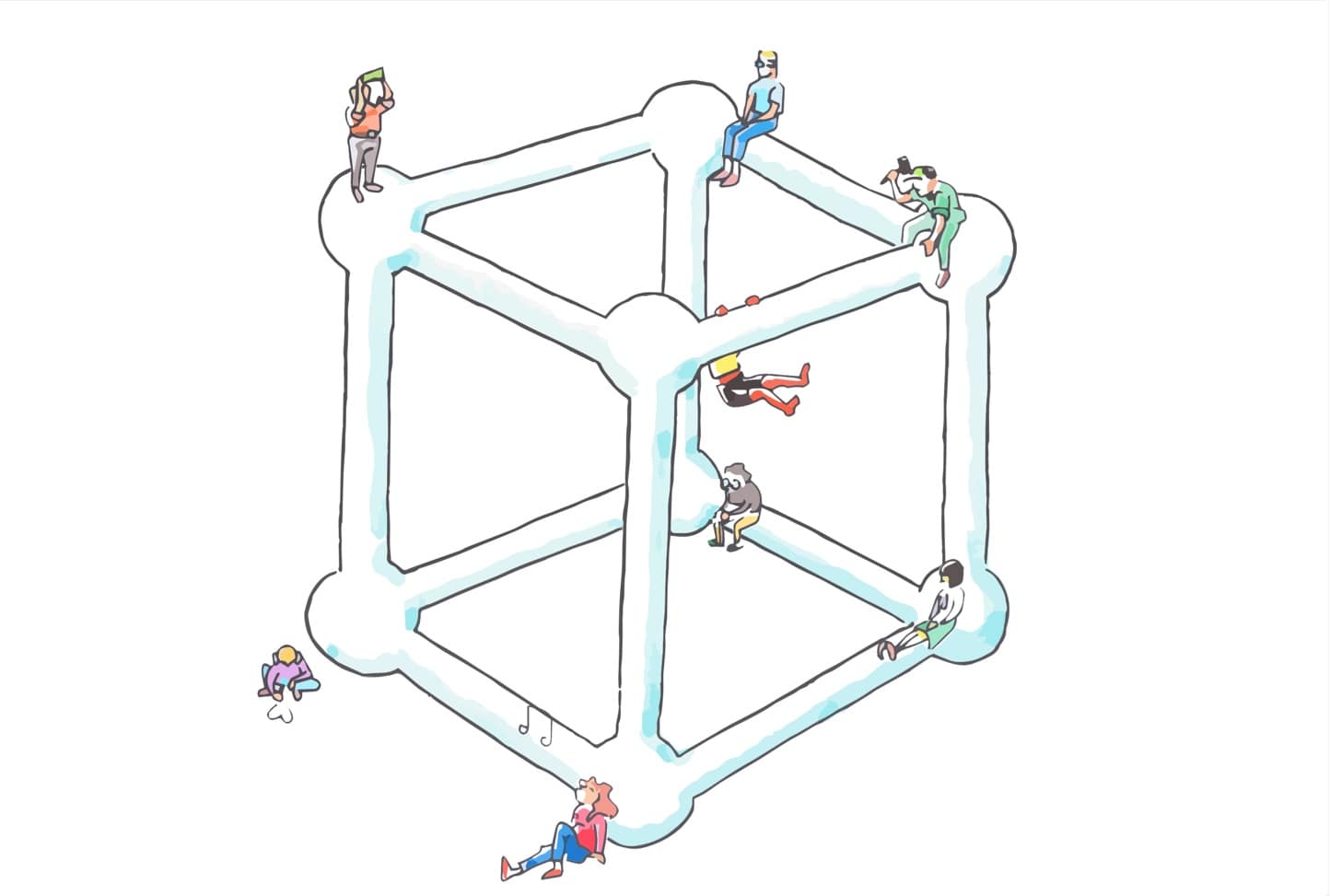
Early theories aren’t relics – they’re resources that can still be relevant today. In this post, Rinske Vermeij describes her search for original copies of the near-forgotten Heymans Cube, a century-old personality model. What she found was a remarkably clear, comprehensive view of human personality – ideas that deserved to be made accessible for modern audiences. This post is a reminder that the old theories buried under the new can still be of value, worth excavating.